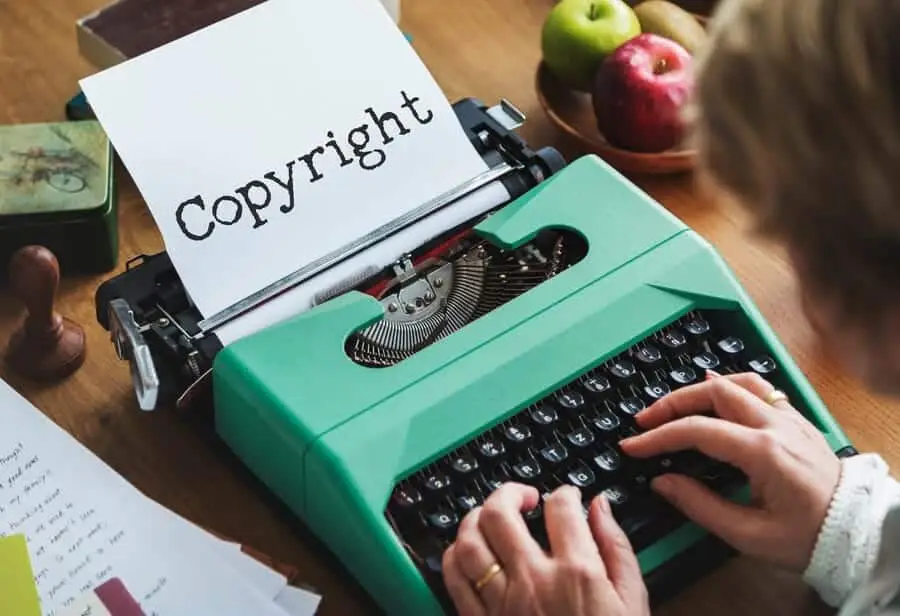
Copyright protects your original work automatically, the moment you create it. It gives you two rights that matter most online: the right to copy the work, and the right to communicate it to the public. Almost every online dispute turns on that second right, and on whether a particular use reached a new public.
Does putting content online make it free to use?
No. A work on a freely accessible website has been communicated to the public by whoever posted it there, but that does not place it in the public domain and does not license anyone else to reuse it. Being easy to find says nothing about whether copying is allowed. You may freely reuse only works whose protection has expired, works released under a licence that permits it, and material that never attracted copyright protection in the first place.
Is linking to someone else’s content allowed?
Yes, ordinary linking to a work the rights holder has itself made freely available is not a new communication to the public, because the audience reached is the same. Linking is different when it leads to material the rights holder never authorised: this can be an infringement if you knew, or should have known, that the source was unlawful, and that knowledge is presumed when you link for a commercial purpose. A business website therefore has to check its sources more carefully than a private blog does.
What about embedding images or video?
Embedding follows the same logic as linking, with one exception: if the rights holder has put technical measures in place to prevent embedding, bypassing them is an infringement.
When can you quote someone else’s work?
You may quote a work for purposes such as criticism, review or news reporting, or a comparable purpose, provided the work was lawfully made public, the quotation is proportionate to that purpose, its context is not altered, and you state the source and the maker’s name. A quotation may include an image, but only where the image itself is the subject of the discussion.
Illustrating an article with someone else’s photograph simply because it fits the topic is not a quotation. This is the most common infringement we see on business websites, and the one that generates most claims for payment.
Do you also need permission from the people shown in a photo?
Two separate rights apply. The photographer holds the copyright, so using the photograph requires a licence from them. An identifiable person shown in it may separately have portrait rights (portretrecht) and can object to publication where they have a reasonable interest in doing so. Both need to be cleared before you use an image commercially.
What should you do if your work is used without permission?
Secure dated evidence of the use before you write to anyone. Identify who is actually publishing the work – the site owner, the advertiser, or the platform hosting it. A notice to the host under its notice-and-action procedure is often faster than a formal claim. Compensation is usually measured on the licence fee you would otherwise have charged, with an uplift where you were not credited as the maker.
En resum
- Copyright arises automatically; a work being online or easy to find does not make it free to use.
- Ordinary linking to lawfully published material is not an infringement, but linking to unlawful material can be if you knew or should have known.
- Embedding is treated the same as linking, unless the rights holder has blocked embedding technically.
- Quotation is only lawful where it serves a purpose such as criticism or review, is proportionate, and credits the source.
- Using someone’s photograph also requires clearing any portrait rights of the person shown.
Preguntes freqüents
Can I use a photo I found through an image search? No. Search engines index images regardless of their licence, so finding a photo this way tells you nothing about whether you may use it.
Do I need permission to link to a competitor’s article? Not for an ordinary link to lawfully published content, but check what that material itself links to before you rely on it.
Is crediting the photographer enough? No, crediting someone is not the same as having a licence to use their work. You still need the rights holder’s permission unless an exception, such as the quotation right, applies.
No esteu segurs de la vostra situació? Expliqueu-nos la vostra situació. Us informarem de les vostres opcions en el termini d'un dia laborable.
Com Law & More us pot ajudar amb això s'explica al nostre advocat corporatiu